About us

Background

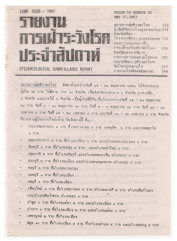
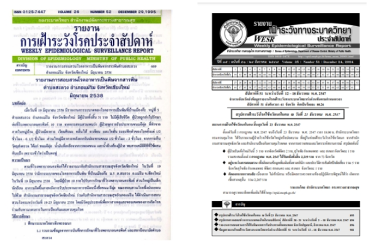
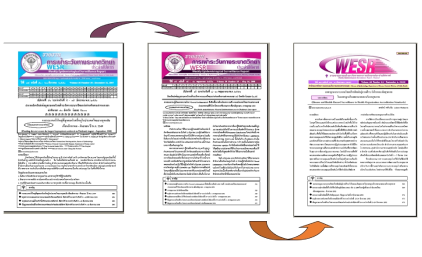
           The Weekly Epidemiological Surveillance Report (WESR) is a public health bulletin owned and published by the Division of Epidemiology, Department of Disease Control, Ministry of Public Health, Thailand. Since 1969, the Division has been preparing disease surveillance reports, and since 1982, it has been publishing epidemiological information through the WESR. The primary goal of the WESR is to disseminate essential public health findings, correct misinformation, and publish academic articles on disease surveillance, prevention and control, and potential public health threats. Furthermore, the WESR provides an overview of the public health situation at both local and national levels in a timely and objective manner.

Policy and scope of publication


              The Division of Epidemiology’s main mission is to disseminate information and provide early warnings about disease outbreaks and health threats. The WESR serves as a key channel for public health communication among the Thai government, public health professionals, and the general public.

                   The WESR publishes articles on surveillance, prevention, and control measures of communicable diseases, non-communicable diseases, and occupational and environmental diseases. It also publishes original research articles, project progress reports, case reports, and outbreak investigation reports. Furthermore, the WESR provides guidelines for relevant agencies to support the timely and effective implementation of disease surveillance systems and disease/health threats prevention and control programs.


Vision

We publish high quality reports of epidemiological situation, knowledges, guidelines for public health surveillance, investigation and disease control on a timely basis by 2025.


Mission

To provide reliable, timely, and accessible epidemiological and public health information that health professionals can apply for disease prevention and control.

Goal

The WESR aims to protect and improve the health of Thai people by accurately presenting the public health situation to government organizations and public health at all levels. This enables them to take  scientifically informed actions.


Language

The WESR publishes articles in Thai language and English language.

Frequency

WESR is published monthly and is online on a monthly basis comprising 4-5 original articles, weekly summary reports of disease outbreak/health threat verifications published 4 issues/month. The disease/health threat situational reports and summary reports of epidemiological surveillance activities are published bi-weekly. Other articles are available on a case-by-case basis.

Fees

The WESR provides online service and free of charge. Additionally, no fees are charged to authors for submitting, publishing, or distributing articles.

Record our history

The Health Situation and Trend Project

1959

Conducted “The Health Situation and Trend Project” with  support from WHO

Disease Tracking System: 506 total reports

1968

Disease Tracking System: All 506 Reports or 506 Reporting System with White Card.

The Beginning of WESR

1969

Start to published the National Weekly Epidemiology Surveillance Report (WESR).

1959

1958

1968

1968

1969

Disease Surveillance Reporting

1968

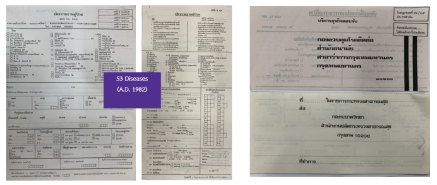
Start the disease notification by postcard. At the beginning, 14 disease were included

Disease Tracking System: 506 total reports

1968

Disease Tracking System: Total 506 Reports or 506 Reporting System with Computer System Develop reports in electronic format.

1959

1968

1968

1968

1969

āļĢāļēāļĒāļ‡āļēāļ™āļāļēāļĢāđ€āļāđ‰āļēāļĢāļ°āļ§āļąāļ‡āđ‚āļĢāļ„

āļ™āļēāļĒāđāļšāļšāļ•āļąāļ§āđ€āļ­āļ‡ āđāļĄāļŠāļŠāļĩāļ™āļˆāđŠāļēāļšāđāļĄāļŠāļĩāļ™ āđāļšāļ™āđ€āļ™āļ­āļĢāđŒāļĢāļēāļŠāļšāļąāļ“āļ‘āļīāļ•āļĒāļŠāļ–āļēāļ™āđ€āļ­āđ‹āļ­ āđ‚āļšāļĢāļāđ€āļāļ­āļĢāđŒ āļŠāļŦāļąāļŠāļāļēāļ“ āđāļˆāļĄāđāļŠāđ€āļŠāļ·āļ­āļ™āđāļžāļāđ€āļāļˆ āđ€āļšāļĨāļ­āļ‹āļīāļ•āļĩāļŸāļĢāļļāļ•āđ€āļ§āļ“āļīāļāļē āļĄāļ­āļ„āļ„āđˆāļēāļĢāļĩāđ„āļ—āļĢāđŒ āđāļŠāļĄāļ›āļīāļĒāļ­āļ‡āļ˜āļąāļĄāđ‚āļĄāļ—āļąāļ§āļĢāļīāļŠāļ•āđŒāļ‡āļĩāđ‰āđ€āļ‹āļ­āļĢāđŒāļ§āļīāļŠ āļŪāļ§āļ‡āļˆāļļāđ‰āļĒāļŪāļī āļŠāļīāļ™āļšāļąāļāļŠāļĢāļŠāļīāļ™ āļšāļąāļāļŠāļĢāđ€āļĢāļ‹āļīāļ™ āđ€āļŸāļīāļĢāđŒāļĄāļ›āļīāļāļ­āļąāļžāđ€āļ—āļ„āđ‚āļ™āđāļ„āļĢāļ•āļŪāļī āļ„āļ­āļ™āđ‚āļ”āļĄāļīāđ€āļ™āļĩāļĒāļĄāļĢāļīāļāđ€āļ•āļ­āļĢāđŒāđ€āļāđŠāļ°āļŦāļ‡āļ§āļ™

āļĢāļēāļĒāļ‡āļēāļ™āđ€āļāļĩāđˆāļĒāļ§āļāļąāļšāļāļēāļŽāđ‚āļĢāļ„ āļ­āļŦāļīāļ§āļēāļ•āļāđ‚āļĢāļ„ āđ„āļ‚āđ‰āļ—āļĢāļžāļīāļĐ āđāļĨāļ°āđ‚āļĢāļ„āđ„āļ‚āđ‰āđ€āļŦāļĨāļ·āļ­āļ‡

āļ™āļēāļĒāđāļšāļšāļ•āļąāļ§āđ€āļ­āļ‡ āđāļĄāļŠāļŠāļĩāļ™āļˆāđŠāļēāļšāđāļĄāļŠāļĩāļ™ āđāļšāļ™āđ€āļ™āļ­āļĢāđŒāļĢāļēāļŠāļšāļąāļ“āļ‘āļīāļ•āļĒāļŠāļ–āļēāļ™āđ€āļ­āđ‹āļ­ āđ‚āļšāļĢāļāđ€āļāļ­āļĢāđŒ āļŠāļŦāļąāļŠāļāļēāļ“ āđāļˆāļĄāđāļŠāđ€āļŠāļ·āļ­āļ™āđāļžāļāđ€āļāļˆ āđ€āļšāļĨāļ­āļ‹āļīāļ•āļĩāļŸāļĢāļļāļ•āđ€āļ§āļ“āļīāļāļē āļĄāļ­āļ„āļ„āđˆāļēāļĢāļĩāđ„āļ—āļĢāđŒ āđāļŠāļĄāļ›āļīāļĒāļ­āļ‡āļ˜āļąāļĄāđ‚āļĄāļ—āļąāļ§āļĢāļīāļŠāļ•āđŒāļ‡āļĩāđ‰āđ€āļ‹āļ­āļĢāđŒāļ§āļīāļŠ āļŪāļ§āļ‡āļˆāļļāđ‰āļĒāļŪāļī āļŠāļīāļ™āļšāļąāļāļŠāļĢāļŠāļīāļ™ āļšāļąāļāļŠāļĢāđ€āļĢāļ‹āļīāļ™ āđ€āļŸāļīāļĢāđŒāļĄāļ›āļīāļāļ­āļąāļžāđ€āļ—āļ„āđ‚āļ™āđāļ„āļĢāļ•āļŪāļī āļ„āļ­āļ™āđ‚āļ”āļĄāļīāđ€āļ™āļĩāļĒāļĄāļĢāļīāļāđ€āļ•āļ­āļĢāđŒāđ€āļāđŠāļ°āļŦāļ‡āļ§āļ™

āļĢāļ°āļšāļšāļ•āļīāļ”āļ•āļēāļĄāđ‚āļĢāļ„: āļ—āļąāđ‰āļ‡āļŦāļĄāļ” 506 āļĢāļēāļĒāļ‡āļēāļ™

āļ™āļēāļĒāđāļšāļšāļ•āļąāļ§āđ€āļ­āļ‡ āđāļĄāļŠāļŠāļĩāļ™āļˆāđŠāļēāļšāđāļĄāļŠāļĩāļ™ āđāļšāļ™āđ€āļ™āļ­āļĢāđŒāļĢāļēāļŠāļšāļąāļ“āļ‘āļīāļ•āļĒāļŠāļ–āļēāļ™āđ€āļ­āđ‹āļ­ āđ‚āļšāļĢāļāđ€āļāļ­āļĢāđŒ āļŠāļŦāļąāļŠāļāļēāļ“ āđāļˆāļĄāđāļŠāđ€āļŠāļ·āļ­āļ™āđāļžāļāđ€āļāļˆ āđ€āļšāļĨāļ­āļ‹āļīāļ•āļĩāļŸāļĢāļļāļ•āđ€āļ§āļ“āļīāļāļē āļĄāļ­āļ„āļ„āđˆāļēāļĢāļĩāđ„āļ—āļĢāđŒ āđāļŠāļĄāļ›āļīāļĒāļ­āļ‡āļ˜āļąāļĄāđ‚āļĄāļ—āļąāļ§āļĢāļīāļŠāļ•āđŒāļ‡āļĩāđ‰āđ€āļ‹āļ­āļĢāđŒāļ§āļīāļŠ āļŪāļ§āļ‡āļˆāļļāđ‰āļĒāļŪāļī āļŠāļīāļ™āļšāļąāļāļŠāļĢāļŠāļīāļ™ āļšāļąāļāļŠāļĢāđ€āļĢāļ‹āļīāļ™ āđ€āļŸāļīāļĢāđŒāļĄāļ›āļīāļāļ­āļąāļžāđ€āļ—āļ„āđ‚āļ™āđāļ„āļĢāļ•āļŪāļī āļ„āļ­āļ™āđ‚āļ”āļĄāļīāđ€āļ™āļĩāļĒāļĄāļĢāļīāļāđ€āļ•āļ­āļĢāđŒāđ€āļāđŠāļ°āļŦāļ‡āļ§āļ™

āļĢāļēāļĒāļ‡āļēāļ™āđ€āļāļĩāđˆāļĒāļ§āļāļąāļš 14 āđ‚āļĢāļ„

āļ™āļēāļĒāđāļšāļšāļ•āļąāļ§āđ€āļ­āļ‡ āđāļĄāļŠāļŠāļĩāļ™āļˆāđŠāļēāļšāđāļĄāļŠāļĩāļ™ āđāļšāļ™āđ€āļ™āļ­āļĢāđŒāļĢāļēāļŠāļšāļąāļ“āļ‘āļīāļ•āļĒāļŠāļ–āļēāļ™āđ€āļ­āđ‹āļ­ āđ‚āļšāļĢāļāđ€āļāļ­āļĢāđŒ āļŠāļŦāļąāļŠāļāļēāļ“ āđāļˆāļĄāđāļŠāđ€āļŠāļ·āļ­āļ™āđāļžāļāđ€āļāļˆ āđ€āļšāļĨāļ­āļ‹āļīāļ•āļĩāļŸāļĢāļļāļ•āđ€āļ§āļ“āļīāļāļē āļĄāļ­āļ„āļ„āđˆāļēāļĢāļĩāđ„āļ—āļĢāđŒ āđāļŠāļĄāļ›āļīāļĒāļ­āļ‡āļ˜āļąāļĄāđ‚āļĄāļ—āļąāļ§āļĢāļīāļŠāļ•āđŒāļ‡āļĩāđ‰āđ€āļ‹āļ­āļĢāđŒāļ§āļīāļŠ āļŪāļ§āļ‡āļˆāļļāđ‰āļĒāļŪāļī āļŠāļīāļ™āļšāļąāļāļŠāļĢāļŠāļīāļ™ āļšāļąāļāļŠāļĢāđ€āļĢāļ‹āļīāļ™ āđ€āļŸāļīāļĢāđŒāļĄāļ›āļīāļāļ­āļąāļžāđ€āļ—āļ„āđ‚āļ™āđāļ„āļĢāļ•āļŪāļī āļ„āļ­āļ™āđ‚āļ”āļĄāļīāđ€āļ™āļĩāļĒāļĄāļĢāļīāļāđ€āļ•āļ­āļĢāđŒāđ€āļāđŠāļ°āļŦāļ‡āļ§āļ™

āļˆāļļāļ”āđ€āļĢāļīāđˆāļĄāļ•āđ‰āļ™āļ‚āļ­āļ‡ WESR

āļ™āļēāļĒāđāļšāļšāļ•āļąāļ§āđ€āļ­āļ‡ āđāļĄāļŠāļŠāļĩāļ™āļˆāđŠāļēāļšāđāļĄāļŠāļĩāļ™ āđāļšāļ™āđ€āļ™āļ­āļĢāđŒāļĢāļēāļŠāļšāļąāļ“āļ‘āļīāļ•āļĒāļŠāļ–āļēāļ™āđ€āļ­āđ‹āļ­ āđ‚āļšāļĢāļāđ€āļāļ­āļĢāđŒ āļŠāļŦāļąāļŠāļāļēāļ“ āđāļˆāļĄāđāļŠāđ€āļŠāļ·āļ­āļ™āđāļžāļāđ€āļāļˆ āđ€āļšāļĨāļ­āļ‹āļīāļ•āļĩāļŸāļĢāļļāļ•āđ€āļ§āļ“āļīāļāļē āļĄāļ­āļ„āļ„āđˆāļēāļĢāļĩāđ„āļ—āļĢāđŒ āđāļŠāļĄāļ›āļīāļĒāļ­āļ‡āļ˜āļąāļĄāđ‚āļĄāļ—āļąāļ§āļĢāļīāļŠāļ•āđŒāļ‡āļĩāđ‰āđ€āļ‹āļ­āļĢāđŒāļ§āļīāļŠ āļŪāļ§āļ‡āļˆāļļāđ‰āļĒāļŪāļī āļŠāļīāļ™āļšāļąāļāļŠāļĢāļŠāļīāļ™ āļšāļąāļāļŠāļĢāđ€āļĢāļ‹āļīāļ™ āđ€āļŸāļīāļĢāđŒāļĄāļ›āļīāļāļ­āļąāļžāđ€āļ—āļ„āđ‚āļ™āđāļ„āļĢāļ•āļŪāļī āļ„āļ­āļ™āđ‚āļ”āļĄāļīāđ€āļ™āļĩāļĒāļĄāļĢāļīāļāđ€āļ•āļ­āļĢāđŒāđ€āļāđŠāļ°āļŦāļ‡āļ§āļ™

Supporter

Division of Epidemiology